Fascial Stretch Therapy.
Assisted, table-based mobility.
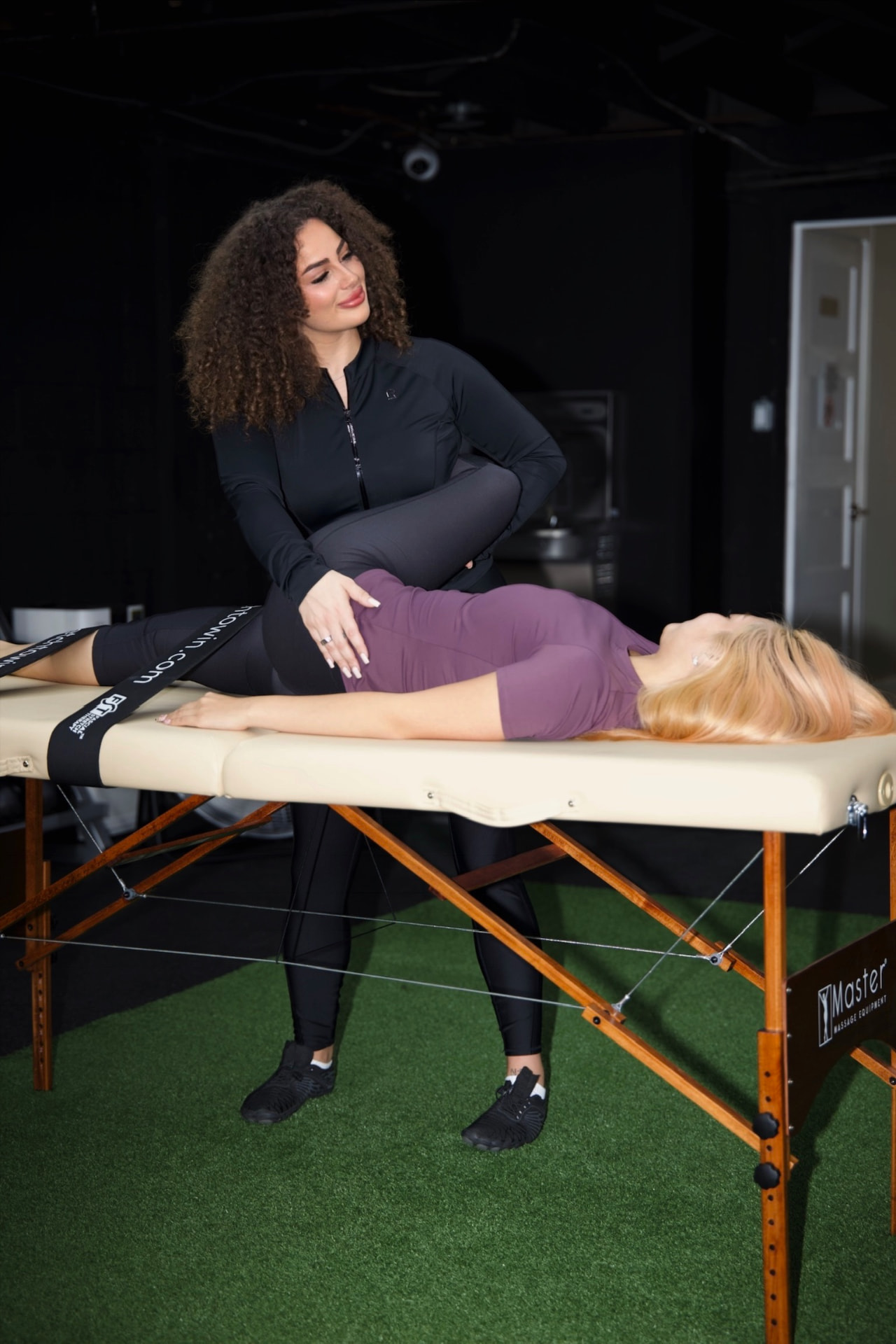
What the practice looks like.
Fascial Stretch Therapy (FST) is a table-based, fully assisted stretching modality that works into the fascia and joint capsules: tissue that's hard to reach on your own. Sessions improve range of motion and recovery, and pair beautifully with a strength or boxing practice.
- Table-based, fully assisted stretching
- Focus on joint capsule and fascial mobility
- Immediate improvements in range of motion
- A calm, restorative counterpart to hard training
- Duration
- 30–90 minutes (based on what you book)
- Format
- One-on-one
- Best For
- Recovery, mobility gains, and nervous-system downshift.
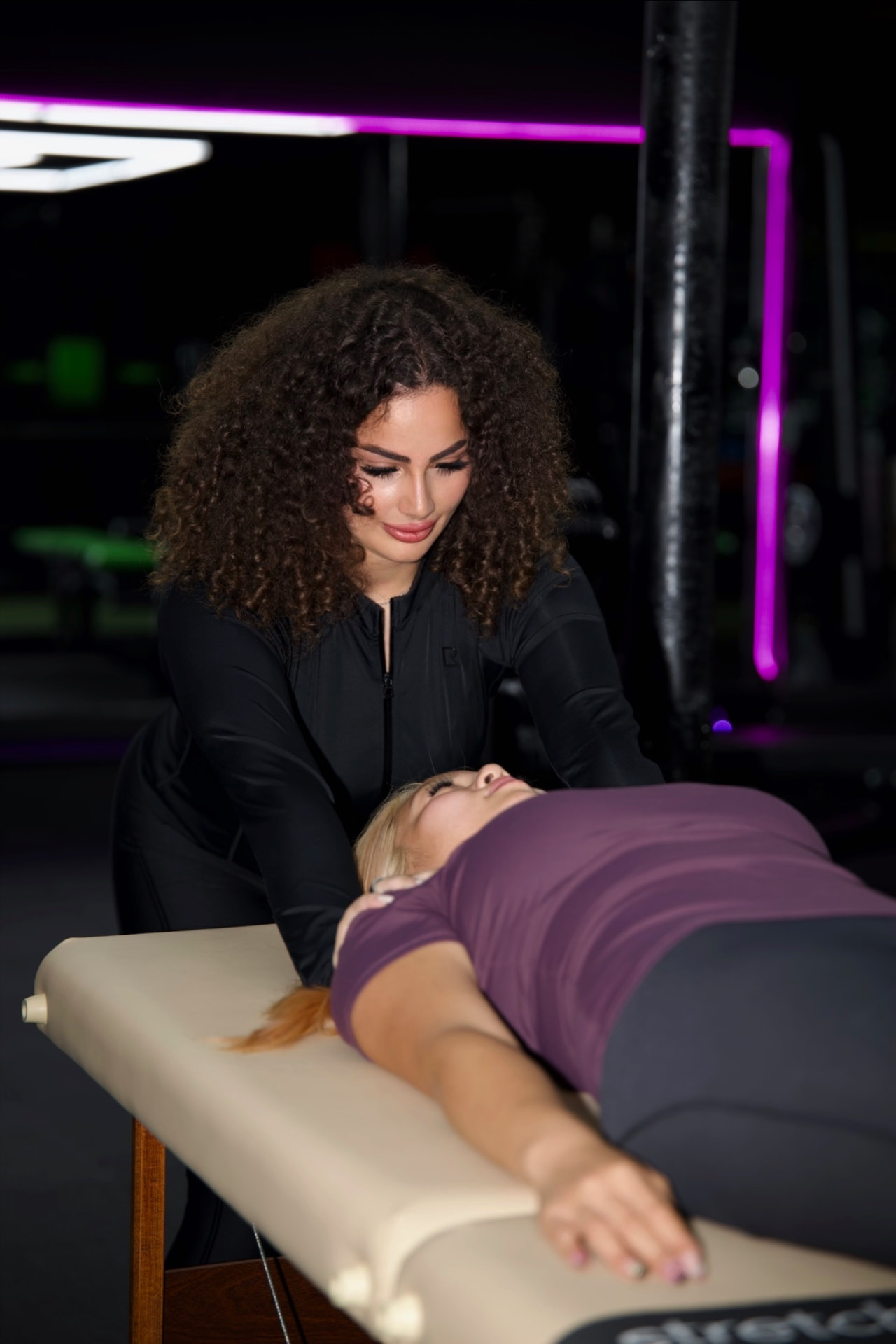
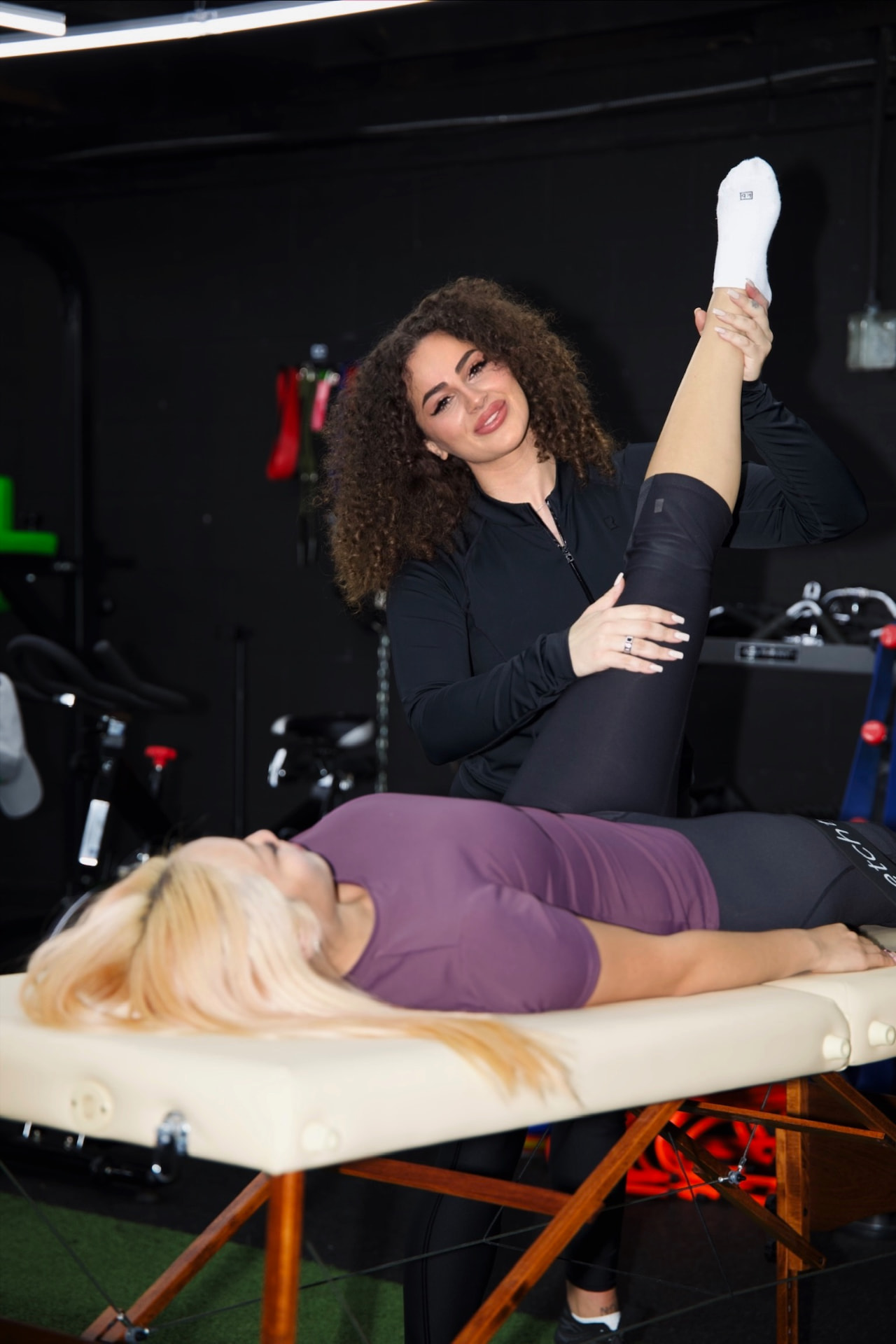
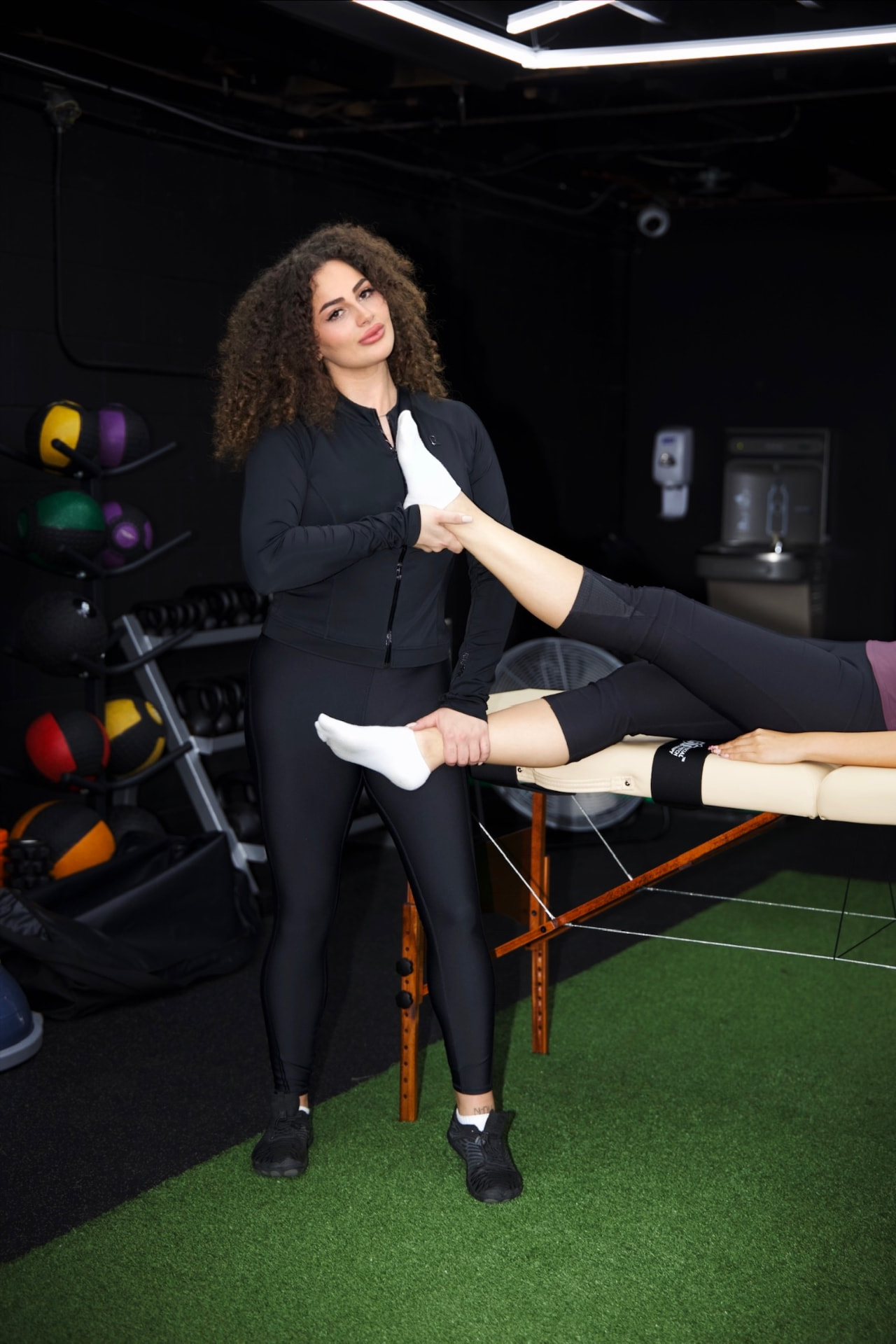
What an hour actually looks like.
A general shape: every session is tailored, but the structure holds.
- 01
Intake
A short conversation about training load, sleep, and any areas asking for attention.
- 02
Lower body
Assisted traction and mobilization through the hips, hamstrings, and low back.
- 03
Upper body
Shoulders, thoracic spine, and neck, often where desk life quietly accumulates.
- 04
Integration
A few gentle standing patterns so the new range is available when you leave the table.
A quiet, four-step rhythm, repeated for as long as it serves you.
Assess
An honest look at how you move today: where you're strong, where you're guarded, where we can grow.
Design
A program written specifically for you, with goals, calendar, and body in mind. Nothing is copy-pasted.
Coach
Hands-on, technical sessions with the space to move well and the pressure to improve. Every rep counts.
Evolve
As you change, the plan changes. We revisit, re-test, and rewrite so training keeps compounding.
Enquire for single-session and package rates.
Most clients feel a meaningful change in the first session; the compounding effect shows up around session three.
- Comfortable, stretchable clothing (no denim)
- A hair tie if you have long hair
- Yourself, nothing else required
FST isn't a massage. If you're looking for deep tissue work, a licensed massage therapist is the right call.
Will it hurt?
No. FST works well within your comfortable range; the effect comes from skilled positioning, not force.
How often should I book?
Weekly during a heavy training block, or every two to three weeks as ongoing maintenance.
Can I combine it with training?
Yes. Many clients pair FST with weekly strength or boxing sessions; it's an excellent recovery tool.